top of page

In today’s fast-paced world, finding moments of calm and balance can feel like a challenge. I often find myself drawn to gentle, natural ways to nurture my body and mind. Natural holistic therapies offer a beautiful path to wellness, inviting us to reconnect with ourselves and the world around us. These therapies focus on treating the whole person - body, mind, and spirit - rather than just symptoms. If you’re curious about how to bring more harmony and relaxation into your life, I’m here to share some insights and practical tips that might inspire your own journey.


Embracing Natural Holistic Therapies for Well-being


When I first explored natural holistic therapies, I was amazed at how simple, mindful practices could create profound shifts in my well-being. These therapies include a variety of approaches such as aromatherapy, reflexology, herbal medicine, and mindfulness meditation. Each one offers a unique way to support your health naturally.


For example, aromatherapy uses essential oils extracted from plants to promote relaxation and healing. A few drops of lavender oil in a diffuser can transform a room into a peaceful sanctuary. Reflexology, on the other hand, involves gentle pressure on specific points on the feet or hands, which correspond to different organs and systems in the body. This can help release tension and improve circulation.


If you’re interested in trying these therapies, here are some simple steps to get started:


  • Create a calming space at home with soft lighting and soothing scents.

  • Schedule regular sessions with a qualified therapist to experience deeper benefits.

  • Incorporate herbal teas like chamomile or peppermint into your daily routine.

  • Practice mindfulness for a few minutes each day to centre your thoughts.


These small changes can make a big difference in how you feel, helping you to unwind and restore your natural balance.


Eye-level view of a diffuser releasing lavender essential oil mist in a cozy room
Aromatherapy diffuser creating a relaxing atmosphere

How Natural Holistic Therapies Support Mind and Body


One of the most comforting aspects of natural holistic therapies is their gentle, nurturing approach. They don’t rush or force healing but encourage your body’s own wisdom to guide the process. This can be especially helpful if you’re feeling overwhelmed or stressed.


Take massage therapy, for instance. A skilled therapist uses touch to ease muscle tension and stimulate the nervous system. This not only relaxes the body but also calms the mind, reducing anxiety and promoting restful sleep. Similarly, practices like yoga and tai chi combine movement with breath awareness, helping you reconnect with your body in a mindful way.


Nutrition also plays a vital role in holistic health. Eating whole, unprocessed foods rich in vitamins and minerals supports your body’s natural healing abilities. Drinking plenty of water and limiting caffeine and sugar can further enhance your energy and mood.


If you’re wondering how to weave these therapies into your daily life, consider these ideas:


  1. Start your day with gentle stretching or yoga to awaken your body.

  2. Choose meals that include fresh vegetables, fruits, and whole grains.

  3. Set aside time for a weekly massage or reflexology session.

  4. Use essential oils during meditation or before bedtime.


By embracing these practices, you create a foundation for lasting wellness that honours your whole self.


What is a holistic approach in NHS?


The National Health Service (NHS) recognises the value of a holistic approach to health care. This means looking beyond just physical symptoms to consider emotional, social, and psychological factors that affect well-being. The NHS often integrates complementary therapies alongside conventional treatments to provide more personalised care.


For example, patients with chronic pain might be offered acupuncture or relaxation techniques to complement medication. Mental health services may include mindfulness-based therapies to help manage anxiety and depression. This approach reflects a growing understanding that healing is multifaceted and that supporting the whole person leads to better outcomes.


If you’re curious about accessing holistic therapies through the NHS, it’s worth discussing your interest with your GP. They can guide you towards suitable options and help coordinate care that fits your needs.


Close-up view of a calm therapy room with massage table and soft lighting
Therapy room designed for relaxation and healing

Finding Balance in Derbyshire Dales with Holistic Shed


Living in the beautiful Derbyshire Dales offers a wonderful backdrop for embracing natural well-being. The fresh air, rolling hills, and peaceful surroundings create the perfect environment to unwind and reconnect. At Holistic Shed, the focus is on helping you find that balance through a range of natural therapies tailored to your unique needs.


Whether you’re seeking relief from stress, support for chronic conditions, or simply a moment of relaxation, Holistic Shed offers a welcoming space where you can feel cared for and understood. Their experienced therapists use gentle techniques such as massage, reflexology, and aromatherapy to promote healing and relaxation.


Here are some ways you can benefit from visiting a place like Holistic Shed:


  • Personalised treatment plans that address your specific concerns.

  • A calm, nurturing environment designed to soothe your senses.

  • Workshops and classes that teach you how to incorporate natural therapies at home.

  • Community support to encourage your wellness journey.


By choosing natural holistic therapies, you’re investing in yourself and your long-term health. It’s a gentle reminder that you deserve care and kindness every day.


Nurturing Your Wellness Journey with Gentle Steps


Starting or deepening your experience with natural holistic therapies doesn’t have to be overwhelming. I encourage you to take gentle steps, listening to your body and intuition along the way. Remember, wellness is a journey, not a destination.


Here are some simple ways to nurture your well-being:


  • Set aside quiet moments daily to breathe deeply and check in with yourself.

  • Explore different therapies to discover what resonates with you.

  • Keep a wellness journal to track how you feel and what helps.

  • Connect with local practitioners who understand your needs and values.


If you ever feel unsure, don’t hesitate to ask questions or seek guidance. The world of natural holistic therapies is rich and welcoming, ready to support you in finding peace and vitality.


For those interested in learning more about holistic natural therapies, Holistic Shed in Derbyshire Dales is a wonderful place to start. Their compassionate approach and expert care can help you unlock the healing potential within.


I hope this exploration of natural holistic therapies inspires you to embrace a path of gentle healing and balance. Your well-being is precious, and with the right support, you can cultivate a life filled with calm, health, and joy. Why not take a moment now to breathe deeply and imagine the peace that awaits you?

 

When anxiety visits, it often brings tension, restlessness, and a racing mind. It’s important to remember that you are not alone, and there are natural paths to relief. Many individuals have found comfort in simple, accessible remedies that fit into daily life.


Discovering Effective Natural Remedies


One of the most powerful tools is breathwork. Deep, mindful breathing activates the body’s relaxation response, slowing the heart rate and calming the nervous system. Try this: inhale slowly through your nose for a count of four, hold for four, then exhale gently through your mouth for six. Repeat this cycle five times and notice how your body softens.


Another soothing practice is herbal teas. Chamomile, lavender, and lemon balm are known for their calming properties. Sipping a warm cup in the evening can create a peaceful ritual that signals your body to unwind.


Physical movement also plays a vital role. Gentle yoga or tai chi encourages mindfulness and releases tension. Even a short walk in the fresh air, surrounded by the natural beauty of the Derbyshire Dales, can lift your spirits and ground your thoughts.


Eye-level view of a steaming cup of chamomile tea on a wooden table
A calming cup of chamomile tea to soothe anxiety

How Nature Supports Your Journey: Anxiety Natural Remedies in Action


Nature has a unique way of healing. The sights, sounds, and smells of the outdoors can ease anxiety and restore balance. Spending time in green spaces, whether it’s a quiet garden or a woodland trail, helps reduce stress hormones and improves mood.


Consider incorporating forest bathing into your routine. This practice involves immersing yourself in the forest atmosphere, engaging all your senses. Listen to the rustle of leaves, feel the texture of bark, and breathe in the fresh, earthy air. This mindful connection with nature can lower anxiety and boost your sense of well-being.


Another natural ally is aromatherapy. Essential oils like bergamot, frankincense, and ylang-ylang can be diffused in your home or applied topically (diluted with a carrier oil). Their gentle scents encourage relaxation and emotional balance.


If you enjoy gardening, nurturing plants can be incredibly grounding. The act of caring for living things fosters patience and presence, helping to quiet anxious thoughts.


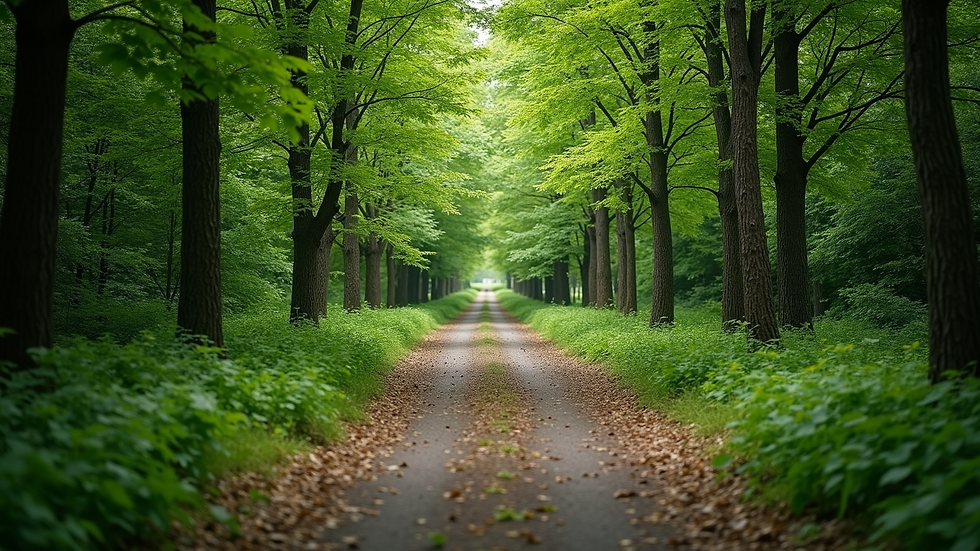
Wide angle view of a peaceful woodland path surrounded by green trees
A tranquil woodland path inviting calm and mindfulness

What is the Best Natural Remedy for Anxiety?


You might wonder, “Is there one remedy that stands above the rest?” The truth is, the best natural remedy for anxiety often depends on you—your lifestyle, preferences, and what feels nurturing in the moment.


For some, mindfulness meditation is transformative. Sitting quietly and observing your thoughts without judgment can create space between you and your anxiety. Start with just five minutes a day, focusing on your breath or a simple mantra. Over time, this practice builds resilience and inner calm.


Others find that magnesium supplements help ease physical symptoms of anxiety, such as muscle tension and restlessness. Magnesium supports the nervous system and can be found in foods like leafy greens, nuts, and seeds, or taken as a supplement after consulting a healthcare professional.


Journaling is another gentle remedy. Writing down your worries and feelings can help you process emotions and gain perspective. Try ending each entry with a note of gratitude or a positive affirmation to shift your mindset.


Remember, combining several remedies often works best. You might pair breathwork with herbal tea and a mindful walk, creating a personalised toolkit for managing anxiety.


Creating a Calming Space at Home


Your environment plays a big role in how you feel. Designing a calming space at home can be a sanctuary where anxiety feels less overwhelming. Think of it as your personal retreat, filled with things that soothe your senses.


Start with soft lighting—lamps with warm bulbs or candles create a gentle glow that invites relaxation. Add natural elements like plants or flowers to bring life and freshness indoors.


Incorporate comforting textures such as soft blankets, cushions, or a favourite rug. These tactile details can ground you when anxiety feels intense.


Sound is another important factor. Consider playing gentle music, nature sounds, or white noise to mask distractions and create a peaceful atmosphere.


Finally, keep this space clutter-free. A tidy environment helps clear your mind and reduces feelings of overwhelm.


Embracing a Holistic Lifestyle for Lasting Peace


Managing anxiety naturally is a journey, not a quick fix. It’s about embracing a lifestyle that honours your whole self—body, mind, and spirit. Small, consistent steps can lead to profound changes.


Focus on balanced nutrition. Eating whole foods rich in vitamins and minerals supports brain health and energy levels. Avoid excessive caffeine and sugar, which can exacerbate anxiety symptoms.


Prioritise quality sleep. Establish a calming bedtime routine, limit screen time before bed, and create a restful environment. Sleep is essential for emotional regulation and resilience.


Stay connected with others. Sharing your experiences with trusted friends or support groups can lighten your emotional load and remind you that you are not alone.


Lastly, be gentle with yourself. Anxiety can ebb and flow, and healing takes time. Celebrate your progress, no matter how small, and remember that seeking help is a sign of strength.


If you’re interested in exploring more about natural remedies for anxiety, Holistic Shed in the Derbyshire Dales offers a welcoming space to relax, heal, and find balance through natural therapies tailored to your needs.


Conclusion: Your Path to Calm


I hope these insights inspire you to explore gentle, natural ways to soothe anxiety and nurture your well-being. Remember, calm is within reach, and every step you take towards it is a gift to yourself. Embrace this journey with an open heart, and know that you are supported in your quest for peace and balance.


Anxiety can feel like a storm brewing inside, unsettling and relentless. Yet, just as the sun eventually breaks through the clouds, there are gentle, natural ways to soothe your mind and restore balance. I want to share with you some effective natural remedies for anxiety that have helped many find peace and calm. These approaches are not just about managing symptoms but nurturing your whole self with kindness and care.


Exploring Anxiety Natural Remedies That Truly Help


When anxiety creeps in, it’s easy to feel overwhelmed. But nature offers us a comforting embrace through simple, accessible remedies. These methods work harmoniously with your body, encouraging relaxation and resilience.


One of my favourite ways to start is with herbal teas. Chamomile, lavender, and lemon balm are known for their calming properties. Sipping a warm cup in the evening can gently ease tension and prepare you for restful sleep. Have you ever noticed how the ritual of making tea itself can be grounding?


Another powerful tool is aromatherapy. Essential oils like bergamot, frankincense, and ylang-ylang can be diffused in your living space or applied topically with a carrier oil. Their soothing scents help quiet the mind and invite a sense of peace.


In addition, mindful breathing exercises are incredibly effective. Taking slow, deep breaths signals your nervous system to relax. Try inhaling for four counts, holding for four, and exhaling for six. This simple rhythm can be your anchor during anxious moments.


Close-up view of a steaming cup of chamomile tea on a wooden table
A calming cup of chamomile tea to soothe anxiety

What is the best natural remedy for anxiety?


You might wonder, “What is the best natural remedy for anxiety?” The truth is, it varies from person to person. However, one remedy stands out for its versatility and accessibility: mindfulness meditation.


Mindfulness invites you to be present with your thoughts and feelings without judgment. It’s like watching clouds drift by instead of getting caught in the storm. Regular practice can reduce anxiety symptoms by helping you observe your worries without becoming overwhelmed.


Starting with just five minutes a day can make a difference. Find a quiet spot, sit comfortably, and focus on your breath or a simple mantra. When your mind wanders, gently bring it back. Over time, this practice builds a calm, steady foundation.


Another contender for the best remedy is physical activity. Gentle exercises like yoga or walking in nature release endorphins, your body’s natural mood lifters. Moving your body also helps release built-up tension and promotes better sleep.


Nourishing Your Body to Calm Your Mind


What you eat plays a significant role in how you feel. Nourishing your body with wholesome foods can support your mental well-being. Think of your body as a garden - the right nutrients help it flourish.


Incorporate foods rich in omega-3 fatty acids, such as oily fish, flaxseeds, and walnuts. These fats support brain health and may reduce anxiety. Magnesium is another mineral to focus on; it helps regulate the nervous system. You can find it in leafy greens, nuts, and seeds.


Avoiding excessive caffeine and sugar is also wise, as they can exacerbate anxiety symptoms. Instead, hydrate well with water and herbal infusions.


Supplements like ashwagandha and valerian root have been traditionally used to ease anxiety and promote relaxation. However, it’s important to consult with a healthcare professional before starting any new supplement.


Eye-level view of a bowl filled with fresh leafy greens, nuts, and seeds
A nourishing bowl of leafy greens and nuts to support mental well-being

Creating a Soothing Environment at Home


Your surroundings can either add to your stress or help melt it away. Creating a calming space at home is a wonderful way to support your mental health.


Start by decluttering and letting in natural light. Soft colours like pale blues, greens, and neutrals can create a peaceful atmosphere. Adding plants not only beautifies your space but also improves air quality and brings a touch of nature indoors.


Consider setting up a small corner dedicated to relaxation. This could include cushions, a blanket, candles, or your favourite books. Use this space for meditation, journaling, or simply unwinding after a busy day.


Sound also influences mood. Gentle music, nature sounds, or white noise can help drown out distractions and soothe your mind.


Embracing Holistic Practices for Lasting Calm


Beyond individual remedies, embracing a holistic approach can transform how you manage anxiety. This means caring for your mind, body, and spirit in an integrated way.


Practices like acupuncture, massage therapy, and reflexology have been shown to reduce anxiety by promoting relaxation and balancing energy flow. These therapies can be a wonderful complement to your daily self-care routine.


Connecting with others is equally important. Sharing your feelings with trusted friends or joining a support group can provide comfort and reduce feelings of isolation.


Remember, managing anxiety is a journey, not a destination. Be gentle with yourself and celebrate small victories along the way.


If you’re interested in exploring more about natural remedies for anxiety, there are many resources and local practitioners who can guide you.


Finding Your Path to Peace


Anxiety may visit uninvited, but it doesn’t have to take up residence. By embracing these natural remedies, you can invite calm and balance into your life. Whether it’s through a soothing cup of tea, mindful breathing, nourishing foods, or creating a peaceful home, each step is a gentle act of self-love.


I encourage you to explore these remedies with an open heart and patience. Your well-being is worth the time and care. And remember, you’re not alone on this path - support is always within reach.


May your days be filled with moments of peace and your nights with restful sleep. Here’s to finding calm in the natural rhythms of life.

 
Copyright. All rights reserved
Design by Laura Kirk 2025
bottom of page